Easy Ingredient Swaps for Delicious Meals
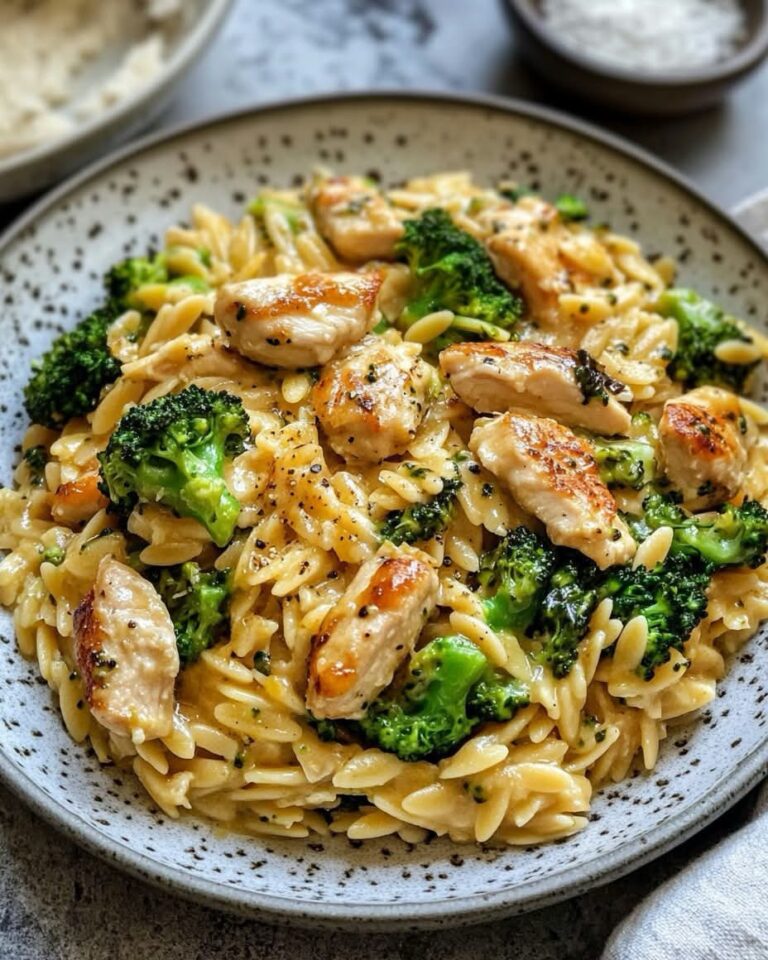
Eating more protein and making smarter ingredient choices does not mean you have to give up delicious food. In fact, some of the easiest healthy cooking strategies are surprisingly simple: add a protein-rich ingredient, replace one less-nutritious ingredient with a better alternative, increase the vegetables, or choose a cooking method that brings out flavor without relying on excessive amounts of added fat or sugar.
That is exactly what high-protein and smart swaps are all about. Instead of completely changing the way you eat, you can make small, practical upgrades to familiar meals. A few thoughtful substitutions can transform breakfast, lunch, dinner, snacks, and even desserts into more balanced options that are satisfying and enjoyable.
Whether you are looking for high-protein meal ideas, healthier family dinners, easy meal-prep recipes, or simple ingredient swaps for everyday cooking, this guide will help you build a more flexible approach to nutritious eating. You will discover how to increase protein, improve texture and flavor, reduce unnecessary added sugar, and make classic comfort foods work better for your lifestyle.
The best part is that you do not need complicated ingredients or expensive specialty products. Many smart swaps can be made with affordable grocery-store staples that are already familiar to most American home cooks. Greek yogurt, eggs, beans, lentils, lean meats, cottage cheese, oats, vegetables, whole grains, nuts, seeds, and frozen produce can all play a role in creating satisfying meals.
Think of this guide as a practical roadmap for making everyday food work harder for you. You can choose the ideas that fit your preferences, budget, cooking style, and schedule. Start with one or two swaps, see what you enjoy, and gradually build a collection of high-protein meals that your entire household will actually want to eat.
What Are High-Protein & Smart Swaps?
High-protein and smart swaps are simple changes to ingredients or cooking methods that can improve the nutritional balance of a meal while keeping it flavorful and satisfying. The goal is not perfection. The goal is to make realistic choices that fit into everyday life.
A high-protein swap might mean adding eggs to breakfast, using Greek yogurt in a creamy sauce, choosing chicken or turkey for a sandwich, mixing beans into chili, or adding cottage cheese to a smoothie. A smart swap might involve replacing part of the refined flour in a recipe with oats, choosing a whole-grain option, using mashed banana to add natural sweetness, or adding vegetables to a pasta dish.
These strategies can be especially helpful for people who want meals that keep them feeling satisfied between eating occasions. Protein is an important nutrient involved in maintaining and repairing body tissues, and including protein-rich foods throughout the day can help create more balanced meals.
However, a high-protein approach does not mean every meal needs to be extremely high in protein. A balanced eating pattern can include protein along with vegetables, fruits, whole grains, healthy fats, and other nutrient-rich foods.
Why High-Protein Meals Are So Popular
High-protein recipes have become increasingly popular because they are practical, versatile, and easy to adapt. From high-protein breakfast recipes to quick lunches and family-friendly dinners, protein-rich ingredients can be incorporated into almost any style of cooking.
Protein Can Make Meals More Satisfying
Many people find that meals containing a good source of protein feel more substantial and satisfying. Instead of relying primarily on refined carbohydrates or highly processed snack foods, adding protein can help create a meal with more staying power.
For example, a bowl of plain oatmeal can become a more balanced breakfast when paired with Greek yogurt, eggs, cottage cheese, nuts, or seeds. A simple salad can become a complete lunch by adding grilled chicken, tuna, salmon, chickpeas, lentils, tofu, or hard-boiled eggs.
Protein Is Easy to Add to Familiar Foods
You do not need to completely reinvent your favorite recipes. Protein can be added to foods you already enjoy. Pasta can be paired with chicken or shrimp. Tacos can include lean ground turkey, beans, or black beans. Soups can be enriched with lentils or shredded chicken. Pancakes can be served with Greek yogurt and eggs.
This flexibility is one of the biggest advantages of a high-protein cooking strategy. You can keep the flavors and traditions your family loves while making thoughtful adjustments.
High-Protein Meals Work Well for Meal Prep
Protein-rich foods are often excellent for meal preparation. Cooked chicken, turkey meatballs, hard-boiled eggs, lentils, beans, quinoa, and roasted vegetables can be prepared in advance and combined in different ways throughout the week.
Preparing a few versatile ingredients ahead of time can make busy weekdays much easier. Instead of starting every meal from scratch, you can assemble bowls, wraps, salads, sandwiches, and quick dinners in minutes.
The Best High-Protein Foods to Keep in Your Kitchen
Building a high-protein kitchen starts with having flexible ingredients available. You do not need to purchase everything on this list. Choose a few favorites from different categories and rotate them based on your meals and preferences.
| Food Category | Examples | Easy Ways to Use Them |
|---|---|---|
| Eggs | Whole eggs, egg whites | Scrambles, omelets, breakfast sandwiches, baking |
| Dairy | Greek yogurt, cottage cheese, milk | Smoothies, sauces, bowls, pancakes |
| Poultry | Chicken, turkey | Salads, wraps, soups, casseroles, stir-fries |
| Seafood | Salmon, tuna, shrimp | Bowls, tacos, salads, pasta |
| Legumes | Black beans, chickpeas, lentils | Chili, soups, tacos, salads, grain bowls |
| Soy Foods | Tofu, tempeh, edamame | Stir-fries, bowls, salads, soups |
| Grains | Quinoa, oats, whole-grain pasta | Breakfast bowls, salads, side dishes, pasta meals |
| Nuts & Seeds | Almonds, peanuts, chia, pumpkin seeds | Oatmeal, yogurt bowls, salads, snacks |
20 Smart Ingredient Swaps That Make Everyday Meals Better
Smart swaps are most effective when they are simple enough to use regularly. Rather than changing an entire recipe, start by replacing one ingredient at a time.
1. Swap Sour Cream for Greek Yogurt
Plain Greek yogurt is one of the most versatile smart swaps for home cooks. It can provide a creamy texture in dips, sauces, dressings, baked potatoes, and tacos while also contributing protein.
Use plain Greek yogurt instead of sour cream in taco bowls, chili toppings, creamy dips, and savory sauces. For a smoother consistency, stir in a small amount of milk or water until it reaches the texture you want.
2. Swap Mayonnaise for Greek Yogurt in Some Recipes
For chicken salad, tuna salad, egg salad, and creamy dressings, try replacing part of the mayonnaise with plain Greek yogurt. This keeps the mixture creamy while adding a tangy flavor.
A good starting point is to replace half the mayonnaise rather than all of it. This creates a familiar texture while making the recipe lighter and more protein-forward.
3. Add Beans to Ground Meat Recipes
Beans can stretch ground beef, turkey, or chicken while adding fiber and plant-based protein. This works especially well in chili, tacos, burrito bowls, and stuffed peppers.
Try mixing black beans into taco meat or adding kidney beans to chili. The result is a hearty meal that can feed more people without requiring a large amount of meat.
4. Add Lentils to Soups and Sauces
Lentils are an affordable ingredient that works beautifully in soups, stews, and pasta sauces. Their mild flavor allows them to blend into many dishes without overpowering the other ingredients.
Red lentils are especially useful in creamy soups and sauces because they soften quickly. Brown or green lentils work well in hearty soups and grain bowls.
5. Swap Refined Pasta for Whole-Grain or Legume-Based Pasta
Whole-grain pasta can be a simple way to add more fiber to a meal. Legume-based pasta made from ingredients such as chickpeas or lentils can provide additional protein compared with traditional pasta.
Use these alternatives in familiar recipes such as spaghetti with meat sauce, creamy chicken pasta, or baked pasta casseroles.
6. Add Cottage Cheese to Smoothies
Cottage cheese may sound unusual in a smoothie, but it can create an exceptionally creamy texture. Blend it with berries, banana, milk, and a little cinnamon for a filling breakfast or snack.
If you are sensitive to texture, blend the smoothie longer until completely smooth.
7. Use Eggs to Upgrade Breakfast
Eggs are an easy high-protein addition to breakfast. Pair them with whole-grain toast, avocado, vegetables, or fruit for a more balanced morning meal.
You can also prepare egg muffins in advance by combining beaten eggs with vegetables, cheese, and cooked turkey or chicken.
8. Add Greek Yogurt to Pancake Batter
For fluffy pancakes with a richer texture, add plain Greek yogurt to your favorite pancake batter. You can also add mashed banana or unsweetened applesauce for additional moisture.
Top the pancakes with fresh berries, nut butter, or a spoonful of Greek yogurt instead of relying only on syrup.
9. Use Oats as a Smart Baking Swap
Oats are a useful ingredient in breakfast recipes, muffins, energy bites, meatloaf, and baked goods. Blended oats can also be used as a partial substitute for flour in some recipes.
When making a substitution, avoid replacing all the flour automatically. Start by substituting a portion and adjust the liquid as needed.
10. Add Vegetables to Ground Meat
Finely chopped mushrooms, onions, zucchini, carrots, spinach, or bell peppers can be mixed into meatballs, burgers, meatloaf, and taco fillings.
This is an especially useful strategy for families who want to increase vegetable intake without completely changing familiar meals.
11. Choose Leaner Cuts When They Fit the Recipe
Depending on the dish, leaner cuts of meat can be a practical choice. Ground turkey, chicken breast, lean ground beef, and pork tenderloin can work well in many everyday recipes.
However, flavor and satisfaction still matter. A balanced meal is more sustainable when you genuinely enjoy eating it.
12. Add Edamame to Rice Bowls
Frozen shelled edamame is an easy ingredient to keep on hand. Add it to rice bowls, salads, stir-fries, or noodle dishes for a convenient plant-based protein option.
Because frozen edamame cooks quickly, it is especially helpful for busy weeknight meals.
13. Use Avocado for Creaminess
Mashed avocado can add creamy texture to sandwiches, toast, wraps, and bowls. It pairs especially well with eggs, beans, chicken, and seafood.
Avocado is energy-dense, so portion size can be adjusted according to your overall meal and personal needs.
14. Swap Sugary Breakfast Toppings for Fruit
Instead of using large amounts of syrup, try topping pancakes, oatmeal, yogurt bowls, or waffles with fresh or frozen berries, sliced bananas, peaches, or apples.
You can still enjoy a small amount of maple syrup for flavor while allowing fruit to provide additional sweetness.
15. Add Nuts and Seeds to Breakfast Bowls
Chia seeds, pumpkin seeds, sunflower seeds, hemp seeds, walnuts, and almonds can add texture and nutritional variety to oatmeal and yogurt bowls.
A small sprinkle can transform an ordinary breakfast into something more satisfying and flavorful.
16. Use Mashed Beans in Some Spreads
Mashed white beans or chickpeas can be blended with lemon juice, garlic, herbs, and olive oil to create a flavorful spread or dip.
Serve it with vegetables, whole-grain crackers, or as a sandwich spread.
17. Add Shredded Chicken to Soups
Chicken soup becomes a more substantial meal when you add shredded chicken along with vegetables and grains or beans.
Rotisserie chicken can be a convenient shortcut when you need a quick dinner. Remove the meat from the bones, portion it into containers, and use it throughout the week.
18. Add Tuna or Salmon to Quick Lunches
Canned tuna and canned salmon are convenient pantry staples for sandwiches, salads, wraps, and grain bowls.
Mix them with Greek yogurt, mustard, lemon juice, herbs, and chopped vegetables for a quick lunch filling.
19. Replace Some Rice with Cauliflower Rice
Cauliflower rice can be mixed with traditional rice to increase the vegetable content of a meal while maintaining a familiar texture.
Try a 50/50 combination in burrito bowls, fried rice, or stuffed peppers.
20. Add Protein to Snacks
A smart snack often combines protein with another food group. Try Greek yogurt with berries, an apple with peanut butter, cottage cheese with fruit, or vegetables with hummus.
The goal is to create snacks that are satisfying enough to bridge the gap between meals.
How to Build a High-Protein Plate
One of the easiest ways to create a balanced meal is to think in terms of components rather than complicated recipes.
Start With a Protein Source
Choose chicken, turkey, fish, eggs, tofu, tempeh, beans, lentils, Greek yogurt, cottage cheese, or another protein-rich food that fits your preferences.
Add Colorful Vegetables
Include fresh, frozen, or cooked vegetables. Broccoli, green beans, carrots, peppers, spinach, tomatoes, cabbage, zucchini, and cauliflower can all work beautifully.
Choose a Satisfying Carbohydrate
Rice, potatoes, sweet potatoes, oats, quinoa, corn, whole-grain bread, and pasta can all be part of balanced meals.
Finish With Flavor
Do not underestimate the importance of sauces, herbs, spices, citrus, garlic, and dressings. A nutritious meal is much more enjoyable when it tastes great.
Try salsa, pesto, yogurt-based sauces, tahini dressing, chimichurri, mustard, hot sauce, or a simple lemon-garlic dressing.
High-Protein Breakfast Ideas for Busy Mornings
Breakfast is a great opportunity to incorporate protein early in the day. The following combinations are easy to customize and prepare ahead.
- Greek yogurt topped with berries, oats, and chopped nuts.
- Scrambled eggs with spinach, tomatoes, and whole-grain toast.
- Overnight oats made with milk and Greek yogurt.
- Cottage cheese topped with fruit and cinnamon.
- Egg and turkey breakfast sandwiches.
- Protein-rich oatmeal with peanut butter and banana.
- Vegetable egg muffins prepared in advance.
- Whole-grain pancakes topped with Greek yogurt and berries.
- Smoothies made with Greek yogurt, milk, fruit, and seeds.
High-Protein Lunch Ideas That Are Easy to Meal Prep
Lunch does not have to be complicated. The best meal-prep lunches use ingredients that can be combined in multiple ways.
Chicken and Grain Bowls
Layer cooked chicken with rice or quinoa, roasted vegetables, greens, and a flavorful dressing. Store the dressing separately when possible to keep the vegetables crisp.
Tuna and White Bean Salad
Combine tuna, white beans, chopped vegetables, lemon juice, herbs, and a little olive oil. Serve over greens or with whole-grain bread.
Turkey and Avocado Wraps
Fill a whole-grain tortilla with sliced turkey, avocado, lettuce, tomato, and a yogurt-based dressing.
Lentil and Vegetable Bowls
Cooked lentils can be paired with roasted vegetables, quinoa, feta cheese, and a lemon dressing for a satisfying meatless lunch.
High-Protein Dinner Ideas for the Whole Family
Family dinners are often where smart swaps make the biggest difference. Instead of creating completely separate meals, build dishes around familiar flavors and allow everyone to customize their plate.
Chicken Fajita Bowls
Cook sliced chicken with peppers, onions, and Mexican-inspired spices. Serve with rice, black beans, salsa, avocado, and Greek yogurt.
Turkey and Bean Chili
Combine lean ground turkey with beans, tomatoes, onions, and spices. Simmer until thick and flavorful. Serve with avocado, shredded cheese, or Greek yogurt.
Salmon and Roasted Vegetables
Roast salmon alongside broccoli, carrots, or green beans. Serve with potatoes, rice, or quinoa.
High-Protein Pasta
Use whole-grain or legume-based pasta and pair it with chicken, turkey meatballs, shrimp, or lentils. Add vegetables to the sauce for extra flavor and texture.
Stuffed Bell Peppers
Fill bell peppers with a mixture of ground turkey or lean beef, beans, rice, tomatoes, onions, and spices. Top with cheese and bake until tender.
High-Protein Smart Swaps for Classic Comfort Foods
Comfort food does not have to disappear from your menu. Instead, consider modifying the recipe slightly while keeping the flavors that make the dish enjoyable.
Mac and Cheese
Try adding cottage cheese or Greek yogurt to the cheese sauce for a creamy texture. You can also mix in broccoli, peas, spinach, or shredded chicken.
Pizza
Choose a protein-rich topping such as chicken, turkey, shrimp, or lean beef. Add vegetables like mushrooms, peppers, onions, or spinach.
Tacos
Combine ground meat with black beans or lentils. Add salsa, lettuce, tomatoes, avocado, and Greek yogurt.
Burgers
Serve a lean beef or turkey burger with plenty of vegetables. You can also experiment with black bean burgers or lentil patties.
Mashed Potatoes
For a creamy variation, mix potatoes with Greek yogurt, cottage cheese, or a small amount of milk. Add garlic and fresh herbs for flavor.
Chicken Pot Pie
Increase the amount of chicken and vegetables while using a lighter filling. A biscuit topping can be portioned over individual servings rather than covering the entire dish.
Smart Swaps for Baking and Desserts
Smart swaps can also be used in baking, although successful substitutions depend heavily on the recipe.
Greek Yogurt for Some Oil or Sour Cream
Greek yogurt can add moisture to muffins, cakes, and quick breads. Start by replacing only a portion of the oil or sour cream and test the recipe.
Mashed Banana for Some Added Sugar
Very ripe bananas can provide natural sweetness and moisture in muffins, pancakes, and quick breads.
Applesauce for Moisture
Unsweetened applesauce can be used in some baked goods to add moisture. Because it changes the texture, it is best to begin with partial substitutions.
Oats for Texture
Rolled oats or blended oats can add texture and heartiness to cookies, muffins, breakfast bars, and energy bites.
Remember that healthier baking is still baking. Enjoying dessert in moderation can absolutely fit into a balanced lifestyle.
High-Protein Snack Ideas for Between Meals
Smart snacks can help you avoid the temptation to grab whatever is most convenient when hunger strikes.
- Greek yogurt with berries.
- Cottage cheese with pineapple or peaches.
- Hard-boiled eggs with fruit.
- Apple slices with peanut butter.
- Hummus with carrots and bell peppers.
- Edamame with a pinch of seasoning.
- Tuna on whole-grain crackers.
- Roasted chickpeas.
- Cheese with whole-grain crackers.
- Homemade oatmeal energy bites with nuts and seeds.
How to Make High-Protein Meals Taste Amazing
One of the biggest mistakes people make when preparing healthier meals is focusing so heavily on nutrition that they forget about flavor. The solution is not to abandon healthy cooking. It is to become better at seasoning.
Use Fresh Herbs
Parsley, cilantro, basil, dill, rosemary, thyme, and green onions can dramatically improve simple meals.
Use Acid
Lemon juice, lime juice, vinegar, and pickled vegetables add brightness and balance.
Use Spices
Smoked paprika, cumin, chili powder, garlic powder, onion powder, black pepper, Italian seasoning, and curry powder can transform basic ingredients.
Build Layers of Flavor
Do not wait until the end of cooking to season everything. Season ingredients as you cook, then finish with fresh herbs, citrus, or a sauce.
Do Not Fear Texture
A good meal usually includes different textures. Combine creamy Greek yogurt with crunchy vegetables, tender chicken with crispy roasted potatoes, or soft beans with toasted seeds.
Meal Prep Strategies for High-Protein Eating
Meal prep becomes much easier when you stop thinking about preparing seven identical meals. Instead, prepare components that can be mixed and matched.
Cook One or Two Proteins
Prepare grilled chicken, baked salmon, turkey meatballs, hard-boiled eggs, or seasoned tofu.
Prepare Multiple Vegetables
Roast a large sheet pan of vegetables and keep a container of fresh greens available.
Prepare a Flexible Grain
Cook rice, quinoa, farro, or another grain that can be used in bowls and side dishes.
Make One Sauce
A simple yogurt-herb sauce, lemon dressing, or homemade vinaigrette can make several meals taste completely different.
Keep Emergency Protein Foods Available
Frozen edamame, canned tuna, canned beans, eggs, Greek yogurt, and cottage cheese can save a meal when you have no time to cook.
High-Protein Meal Prep Formula
For an easy meal-prep system, use this simple formula:
- Choose one protein: chicken, turkey, fish, eggs, tofu, beans, or lentils.
- Choose one carbohydrate: rice, potatoes, quinoa, oats, or whole grains.
- Add two vegetables: one cooked and one fresh if possible.
- Add flavor: sauce, herbs, spices, citrus, or dressing.
- Change the presentation: turn leftovers into wraps, salads, bowls, or tacos.
This approach helps prevent meal fatigue and makes leftovers feel like a new meal rather than the same dinner repeated.
High-Protein & Smart Swap Variations
There is no single correct way to eat more protein. Your choices can be adapted to different dietary preferences and cultural food traditions.
Meat-Lover Variation
Focus on chicken, turkey, lean beef, pork tenderloin, eggs, and seafood. Pair them with vegetables and satisfying carbohydrates.
Vegetarian Variation
Use beans, lentils, tofu, tempeh, edamame, Greek yogurt, cottage cheese, eggs, nuts, and seeds.
Mediterranean-Inspired Variation
Combine chicken or fish with chickpeas, lentils, vegetables, whole grains, yogurt-based sauces, herbs, lemon, and olive oil.
Mexican-Inspired Variation
Use black beans, pinto beans, chicken, turkey, lean beef, salsa, avocado, corn, tomatoes, and spices.
Asian-Inspired Variation
Build meals around tofu, edamame, chicken, shrimp, salmon, rice, vegetables, and flavorful sauces.
Budget-Friendly Variation
Choose eggs, beans, lentils, canned tuna, canned salmon, chicken thighs, cottage cheese, and frozen vegetables. These ingredients can be incredibly versatile and economical.
How to Make Smart Swaps Without Ruining Your Favorite Recipes
The key to successful substitutions is understanding that ingredients have different functions. Some provide moisture, some provide structure, some add fat, and others contribute sweetness or acidity.
Instead of changing five ingredients at once, make one substitution and evaluate the result. If you replace every ingredient simultaneously, it becomes difficult to know what worked and what did not.
For example, if you are making muffins, try replacing part of the oil with Greek yogurt. If the texture is successful, you can experiment with another change next time.
When cooking savory meals, substitutions are usually more forgiving. You can often add beans, vegetables, chicken, or lentils without dramatically changing the recipe.
Serving Suggestions for High-Protein Meals
The right side dishes can turn a simple protein into a complete meal.
- Serve grilled chicken with roasted potatoes and green beans.
- Pair salmon with quinoa and roasted broccoli.
- Serve turkey meatballs with whole-grain pasta and marinara sauce.
- Pair chili with avocado and a fresh salad.
- Serve chicken fajita bowls with black beans and salsa.
- Pair lentil soup with whole-grain toast.
- Serve tofu stir-fry with rice and edamame.
- Pair eggs with avocado toast and fresh fruit.
How to Store High-Protein Meal Prep Safely
Proper food storage is essential when preparing meals in advance. Cooked foods should be handled carefully, cooled appropriately, and stored in clean containers.
Use airtight containers to maintain quality and prevent odors from spreading throughout the refrigerator. Label containers with preparation dates so you can keep track of freshness.
Separate sauces and dressings when possible. This helps prevent salads and grain bowls from becoming soggy.
For longer storage, freeze appropriate meals in freezer-safe containers. Leave enough room for expansion and label each container with the name and date.
How to Reheat High-Protein Meals
Reheating methods can make a big difference in texture. Chicken and fish can become dry if overheated, while rice and grains can lose moisture.
Reheating Chicken
Reheat chicken gently with a splash of broth or water. Covering the container can help retain moisture.
Reheating Rice and Grains
Add a small amount of water before reheating. Stir halfway through if using a microwave.
Reheating Vegetables
Use short heating intervals to prevent vegetables from becoming overly soft.
Reheating Egg-Based Meals
Egg muffins and breakfast casseroles can usually be reheated in short intervals until warmed through.
Common Mistakes When Increasing Protein
Focusing Only on Protein
A balanced meal includes more than protein. Vegetables, fruits, whole grains, and healthy fats can all contribute to a varied eating pattern.
Ignoring Flavor
If your meals are bland, you are less likely to enjoy them consistently. Use herbs, spices, sauces, and acidic ingredients to make food delicious.
Changing Too Much at Once
Start with small swaps. A few successful changes are more sustainable than an extreme overhaul.
Forgetting About Convenience
The healthiest meal is not always the one that takes two hours to prepare. Keep convenient options available so you can make good choices even on busy days.
Assuming Every Swap Works Equally
Ingredient substitutions depend on the recipe. Baking requires more precision than many savory dishes, so experiment gradually.
How to Create a High-Protein Grocery List
A good grocery list can make healthy cooking much easier. Organize your shopping list by category so you can quickly identify what you need.
Protein
- Chicken breast or thighs
- Lean ground turkey
- Lean ground beef
- Salmon
- Tuna
- Shrimp
- Eggs
- Greek yogurt
- Cottage cheese
- Tofu
- Edamame
- Beans
- Lentils
Produce
- Spinach
- Broccoli
- Bell peppers
- Carrots
- Tomatoes
- Onions
- Zucchini
- Avocados
- Berries
- Bananas
- Apples
- Lemons and limes
Pantry Staples
- Oats
- Rice
- Quinoa
- Whole-grain pasta
- Whole-grain tortillas
- Peanut butter
- Nuts and seeds
- Canned tomatoes
- Olive oil
- Spices and herbs
Frequently Asked Questions About High-Protein & Smart Swaps
What is the easiest way to eat more protein?
Start by adding a protein-rich food to meals you already enjoy. Eggs at breakfast, Greek yogurt as a snack, chicken in a salad, beans in chili, or tuna in a sandwich are all simple options.
Can I eat high-protein meals on a budget?
Absolutely. Eggs, beans, lentils, canned tuna, canned salmon, Greek yogurt, cottage cheese, and frozen edamame can all be useful choices. Buying larger packages and cooking at home can also help reduce costs.
Are beans a good protein swap for meat?
Beans can be an excellent plant-based protein option and are especially useful in chili, tacos, soups, salads, and grain bowls. They can also be combined with meat to stretch a recipe.
Is Greek yogurt a good substitute for sour cream?
Plain Greek yogurt can work very well as a substitute for sour cream in many savory recipes. Its tangy flavor makes it especially suitable for tacos, dips, baked potatoes, and creamy sauces.
How can I make breakfast higher in protein?
Try eggs, Greek yogurt, cottage cheese, milk, or protein-rich toppings such as nuts and seeds. Combining several of these ingredients can create a satisfying breakfast.
Can I use smart swaps in desserts?
Yes. Depending on the recipe, you can experiment with Greek yogurt, mashed banana, unsweetened applesauce, oats, nuts, and seeds. Remember that baking is precise, so substitutions should be introduced gradually.
What are the best high-protein foods for meal prep?
Chicken, turkey meatballs, hard-boiled eggs, lentils, beans, tofu, salmon, tuna, and Greek yogurt are all versatile choices. Select foods that can be used in several different meals.
Can high-protein meals be vegetarian?
Yes. Vegetarian protein sources include beans, lentils, tofu, tempeh, edamame, Greek yogurt, cottage cheese, eggs, nuts, and seeds.
How can I make healthy food taste better?
Use plenty of herbs, spices, garlic, citrus, vinegar, and flavorful sauces. Roasting vegetables can also bring out natural sweetness and create better texture.
What is the best smart swap for mayonnaise?
Plain Greek yogurt can replace some or all of the mayonnaise in certain recipes, depending on the desired flavor and texture. You can also combine Greek yogurt with mustard, lemon juice, and herbs.
How do I make a high-protein dinner quickly?
Use convenient ingredients such as rotisserie chicken, canned tuna, frozen vegetables, microwaveable grains, canned beans, and prewashed greens. Combine them with a simple sauce for a fast meal.
Are high-protein meals only for athletes?
No. Protein is an important nutrient for people of all ages. The amount an individual needs can vary based on factors such as age, body size, activity level, and health circumstances.
Can I still enjoy comfort food while making smart swaps?
Absolutely. The goal is not to eliminate favorite foods. Instead, you can make small changes such as adding vegetables, increasing protein, or adjusting one ingredient while preserving the flavors you love.
High-Protein & Smart Swaps: A Simple Weekly Strategy
If you want to put these ideas into practice, start with a simple weekly plan. Choose two proteins, two grains or starches, several vegetables, and one or two sauces.
For example, you might prepare chicken and turkey meatballs on Sunday. Cook rice and roasted vegetables at the same time. During the week, turn these ingredients into bowls, wraps, salads, and quick dinners.
On another day, use eggs and Greek yogurt for breakfast, tuna and white beans for lunch, and salmon with vegetables for dinner. Keep fruit, nuts, cottage cheese, and hummus available for snacks.
This flexible system eliminates the need to follow a rigid meal plan. You are simply preparing ingredients that can be assembled in different combinations.
How to Make High-Protein Eating Sustainable
The most successful approach is one you can maintain. If every meal requires complicated preparation, expensive ingredients, or strict rules, it may become difficult to continue.
Instead, focus on habits that are realistic:
- Keep a few protein-rich foods ready to eat.
- Include vegetables in meals when possible.
- Choose whole or minimally processed foods often.
- Use smart swaps that you genuinely enjoy.
- Prepare ingredients in batches when convenient.
- Keep favorite comfort foods in your rotation.
- Allow flexibility for social events and celebrations.
- Focus on overall balance rather than perfection.
A sustainable eating pattern should fit your actual life. There will be busy days, restaurant meals, holidays, and occasions when convenience matters. Smart cooking is about having enough tools and ideas to make good choices most of the time without creating unnecessary stress.
Final Thoughts on High-Protein & Smart Swaps
High-protein meals and smart ingredient swaps can make everyday cooking more satisfying, practical, and nutritious without turning your kitchen into a complicated science experiment. The secret is to focus on small changes that create meaningful improvements.
Start by adding a protein-rich ingredient to one meal each day. Try Greek yogurt instead of some sour cream. Add beans to chili. Mix lentils into soup. Serve eggs with breakfast. Add chicken or tofu to a grain bowl. Use vegetables to bulk up familiar recipes. Experiment with cottage cheese in smoothies or yogurt in sauces.
Over time, these small decisions become natural habits. You learn which ingredients your family enjoys, which swaps work best in your favorite recipes, and which meals are easiest to prepare on busy days.
The goal is not to make every meal perfect. The goal is to create a flexible collection of high-protein recipes, healthy ingredient swaps, and easy meal-prep ideas that make nutritious eating feel enjoyable rather than restrictive.
Whether you are preparing a quick breakfast, packing lunch for work, cooking dinner for the family, or looking for smarter snack ideas, there are countless ways to add more protein and improve the balance of your meals.
So start small. Pick one recipe you already love and make one smart swap. Add a protein-rich ingredient. Toss in an extra vegetable. Try a new sauce or seasoning. Then keep experimenting.
Good food should be satisfying, flavorful, practical, and enjoyable. With the right high-protein ingredients and a few smart swaps, you can create meals that check all four boxes while still leaving plenty of room for the foods and flavors you love.