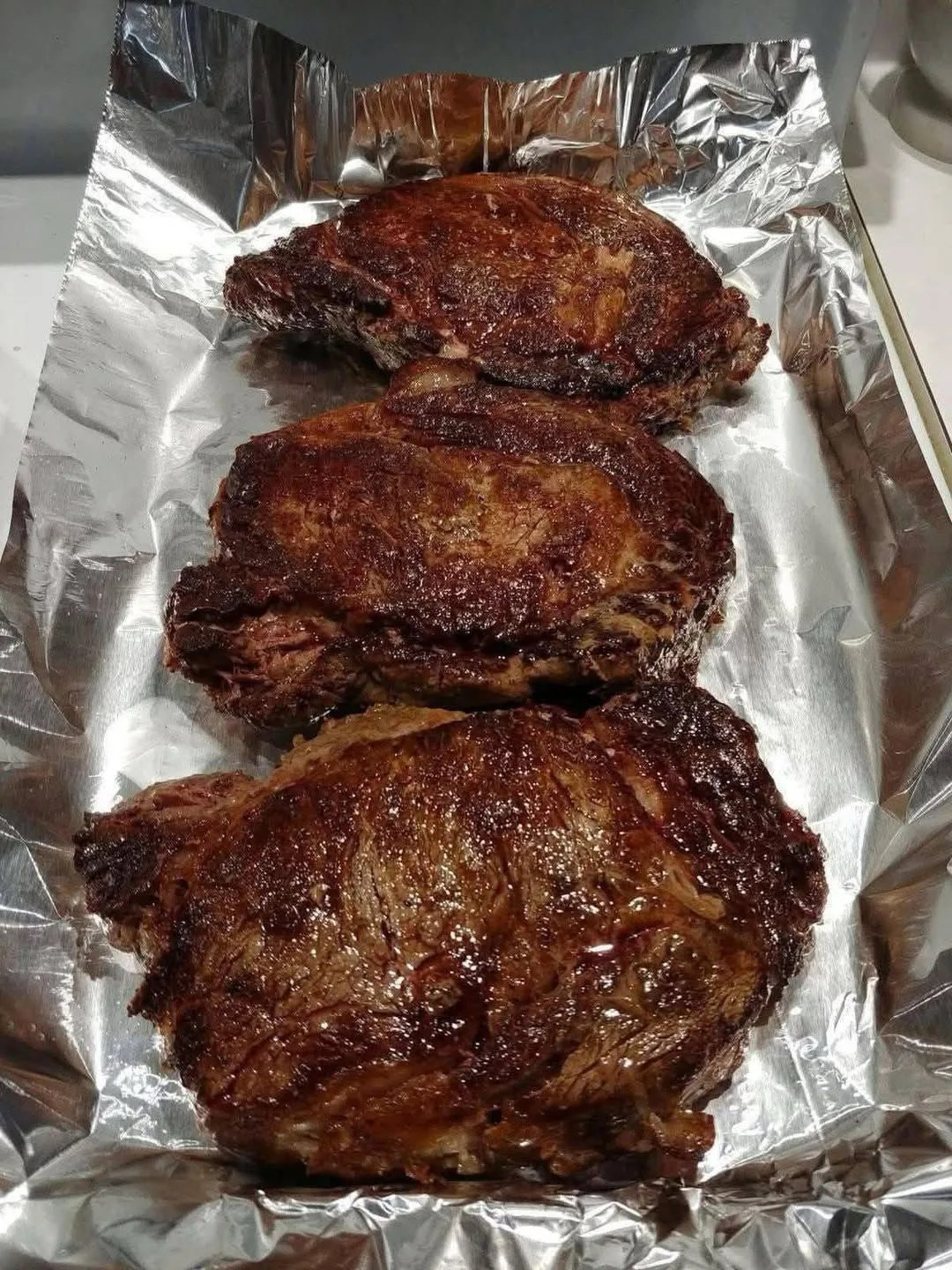
Ultimate Ribeye Steak Recipe Secrets to Perfect Juicy Steak
If you’re craving a steak that’s juicy, tender, and packed with flavor, look no further. Our Ribeye Steak recipe reveals professional secrets used by top chefs and big food businesses to create the perfect steak every time. Whether you’re cooking on a grill, in a skillet, or even in the oven, these tips will help you master the art of steak cooking.
Why Ribeye Steak?
The Ribeye cut is prized for its marbling, tenderness, and rich beefy flavor. The fat content ensures that the steak stays juicy while cooking, making it a favorite in restaurants worldwide. But the real secret is knowing how to enhance this natural flavor without overcooking it.
Ingredients for Perfect Ribeye Steak
- 2 Ribeye steaks, 1–1.5 inches thick
- Salt (Kosher or sea salt)
- Freshly ground black pepper
- 2 tbsp olive oil or high-smoke-point oil (avocado or grapeseed)
- 2 tbsp unsalted butter
- 3–4 garlic cloves, smashed
- Fresh rosemary and thyme sprigs
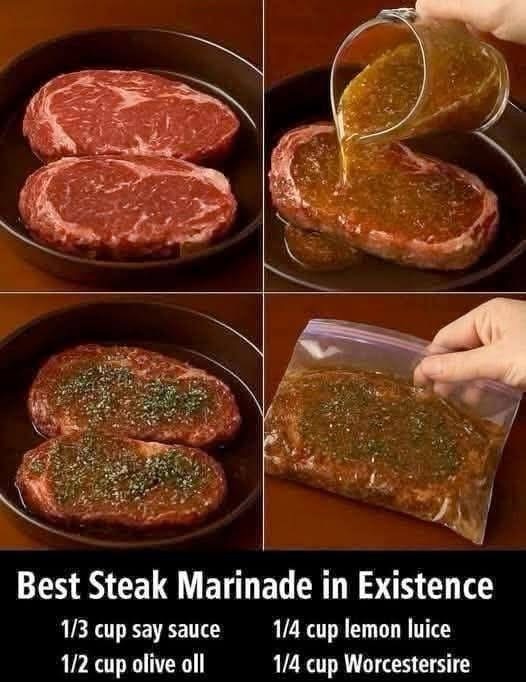
- Optional: Steak marinade (soy sauce, Worcestershire sauce, or balsamic vinegar)
Step-by-Step Cooking Instructions
1. Preparing the Steak
Remove the steaks from the fridge 30–60 minutes before cooking. This allows them to reach room temperature for even cooking. Pat them dry using paper towels—moisture is the enemy of a good sear.
2. Season Generously
Season both sides with salt and black pepper. Big restaurant owners know that seasoning is not just taste; it’s chemistry. Salt draws out moisture, which then reabsorbs, locking flavor into the meat.
3. Preheat Your Cooking Surface
Whether using a skillet or a grill, ensure it’s very hot. For cast iron, heat over medium-high until a drop of water sizzles immediately. Hot surfaces create a beautiful Maillard reaction—the golden crust packed with flavor.
4. Sear the Steak
Add oil to your pan and place the steaks carefully. Sear for 3–5 minutes per side without moving. For a perfect restaurant-style finish, add butter, garlic, and herbs in the last minute and baste the steak continuously with the melted butter.
5. Cooking to Desired Doneness
- Rare: 120–125°F (49–52°C)
- Medium Rare: 130–135°F (54–57°C)
- Medium: 140–145°F (60–63°C)
- Medium Well: 150–155°F (66–68°C)
- Well Done: 160°F (71°C) and above
Use a meat thermometer to ensure perfect doneness. Professionals never rely on guessing!
6. Resting the Steak
Let the steak rest 5–10 minutes after cooking. Resting allows juices to redistribute, giving you a tender, juicy bite every time.
Pro Secrets Used by Top Food Businesses
- Butter Basting: Adds richness and helps form a caramelized crust.
- High Smoke Point Oils: Prevent burning while achieving the perfect sear.
- Room Temperature Steaks: Ensures even cooking throughout.
- Herb Infusion: Aromatics like rosemary and thyme elevate flavor naturally.
- Finishing Salt: Sprinkle flaky salt just before serving for that wow factor.
- Presentation: Slice against the grain for tenderness and plate with sauces or sides for maximum visual appeal.
Serving Ideas
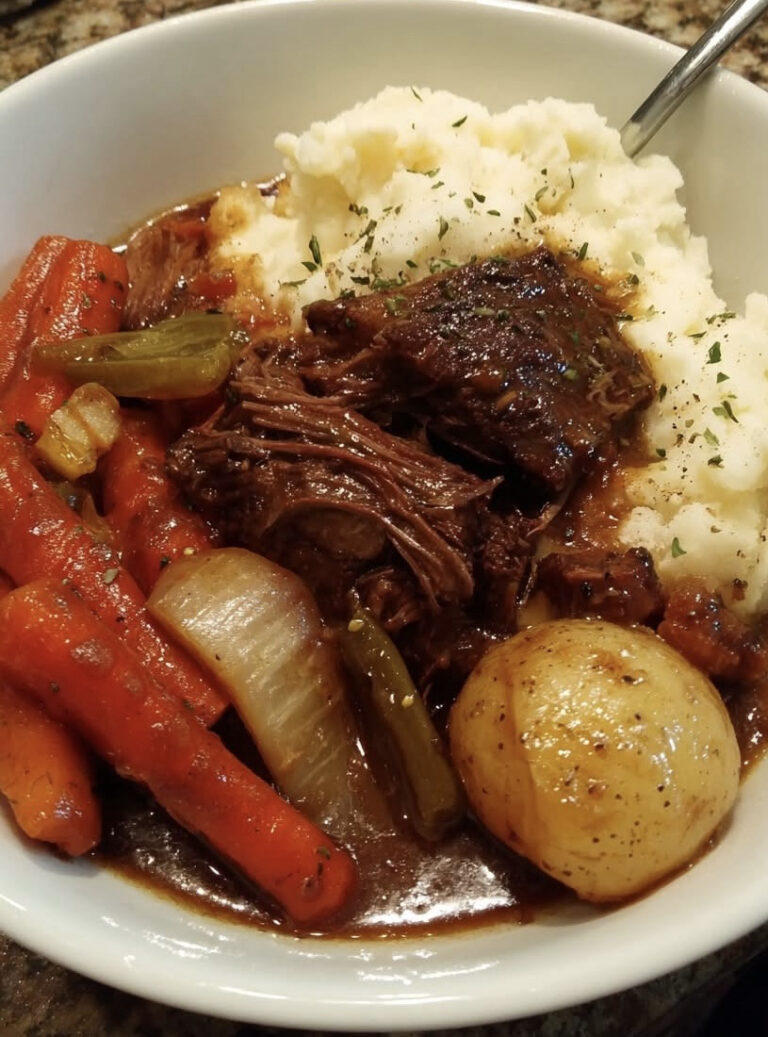
Ribeye pairs beautifully with garlic mashed potatoes, roasted vegetables, or a fresh garden salad. For a gourmet touch, drizzle with chimichurri, peppercorn sauce, or blue cheese butter.
Marketing Your Ribeye Steak Content
If you’re running a food blog or social media page, high-quality photos are essential. Capture:
- The raw steak marbled with fat
- The sizzling steak in the pan or on the grill
- Close-ups of juicy cuts being sliced
- Plated steak with sides and sauces
Use keywords like “perfect ribeye steak recipe,” “restaurant-style steak at home,” and “juicy tender steak tips” in your titles, headings, meta descriptions, and captions. This strategy is exactly what top culinary websites do to attract millions of visitors organically.
Frequently Asked Questions
Can I cook Ribeye in the oven?
Yes! Sear first on a skillet, then transfer to a preheated oven at 400°F (200°C) for 5–10 minutes depending on thickness and desired doneness.
How do I know when my steak is done?
Use a meat thermometer or the finger test method, though the thermometer is more precise for beginners.
Do I need to marinate Ribeye?
Not necessary if it’s high-quality, well-marbled steak. A quick brush of marinade or rub can enhance flavor without overpowering the beef.
Conclusion
Cooking the perfect Ribeye Steak is both an art and a science. By following these steps, you’ll get a juicy, flavorful, restaurant-quality steak at home. Remember the secrets of seasoning, searing, basting, and resting—these are the pillars used by big food businesses to delight customers every time. With these tips, you’re not just cooking a steak; you’re creating an experience.