EASY HOMEMADE BUTTER BREAD
There is nothing quite like the smell of freshly baked homemade bread filling your kitchen. This Homemade Bread with Warm Butter Recipe creates a soft, fluffy, tender loaf with a rich buttery flavor. Made with simple ingredients such as all-purpose flour, warm milk, active dry yeast, sugar, salt, butter, and an egg, this easy yeast bread is perfect for beginners and experienced bakers alike.
Serve thick slices while they are still warm with butter melting into the soft crumb, or use the loaf for sandwiches, toast, breakfast, dinner, French toast, and snacks. If you have been searching for an easy homemade bread recipe that uses simple pantry ingredients and delivers bakery-style results, this recipe is one you’ll want to save.
Why You’ll Love This Homemade Bread
- Uses simple everyday ingredients.
- Creates a soft and fluffy texture.
- Warm milk adds richness and tenderness.
- Butter gives the bread a delicious homemade flavor.
- The egg adds richness and structure.
- Perfect for beginners.
- Excellent for breakfast, lunch, and dinner.
- Delicious served warm with butter.
- Can be used for sandwiches and toast.
- Freezer-friendly.
Ingredients
- 3 ½ cups all-purpose flour
- 1 cup warm milk
- 2 ¼ tsp active dry yeast
- 2 tbsp granulated sugar
- 1 tsp salt
- 2 tbsp melted butter
- 1 large egg
How to Make Homemade Bread with Warm Butter
1. Prepare the Warm Milk
Warm the milk until it is comfortably warm but not hot. Very hot milk can damage the yeast, so the liquid should feel pleasantly warm rather than steaming.
2. Activate the Yeast
Add the active dry yeast and granulated sugar to the warm milk. Stir gently and allow the mixture to sit for several minutes. The yeast should begin becoming active.
3. Add the Egg and Butter
Add the large egg and melted butter to the milk and yeast mixture. Stir until everything is well combined. Make sure the melted butter has cooled slightly before adding it.
4. Add the Flour and Salt
Gradually add the all-purpose flour and salt. Stir until a soft dough forms.
The dough may look slightly rough at first. Continue working it until the ingredients are fully incorporated.
5. Knead the Dough
Transfer the dough to a lightly floured surface and knead until it becomes smooth and elastic. You can also use a stand mixer fitted with a dough hook.
Avoid adding excessive flour. The dough should be soft and slightly tacky rather than stiff and dry.
6. Let the Dough Rise
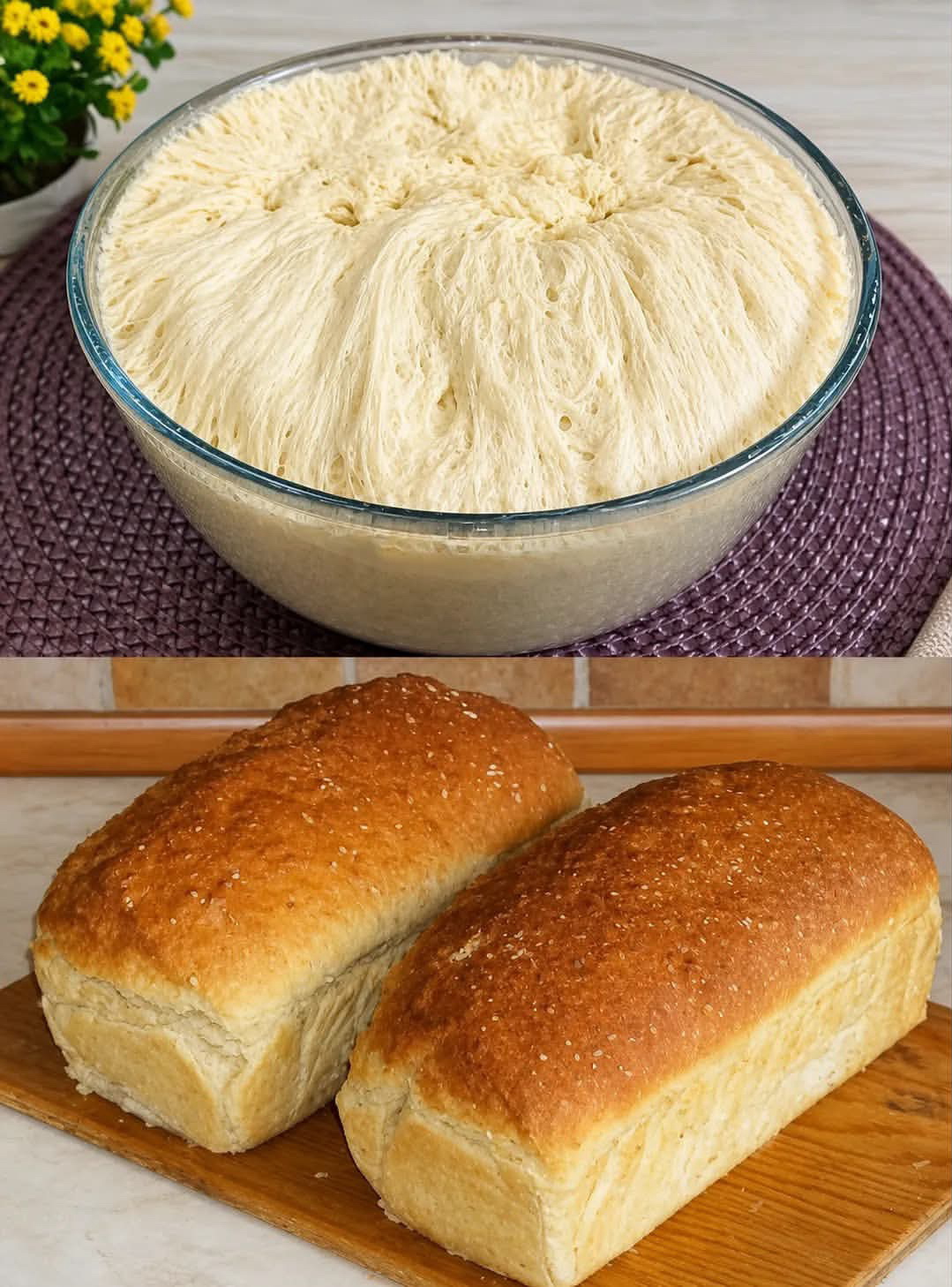
Place the dough in a lightly greased bowl and cover it with a clean kitchen towel or plastic wrap. Leave it in a warm, draft-free place until it becomes noticeably larger and puffy.
7. Shape the Loaf
Gently press down the risen dough to release excess gas. Shape it into a loaf and place it into a greased loaf pan.
8. Let It Rise Again
Cover the shaped dough and allow it to rise again until it looks soft and puffy. The second rise helps create a lighter and more tender loaf.
9. Bake
Place the loaf in a preheated oven and bake until the top is golden brown and the bread is fully cooked through.
10. Brush With Butter
Remove the bread from the oven and brush the warm crust with melted butter. This creates a delicious buttery finish and helps soften the crust.
11. Serve Warm
Allow the loaf to cool slightly before slicing. Serve warm with additional butter and enjoy.
Tips for Soft and Fluffy Homemade Bread
The key to soft homemade bread is controlling the dough consistency. Adding too much flour can make the finished loaf heavy and dry. Add the flour gradually and stop when the dough becomes soft, smooth, and manageable.
Another important factor is allowing enough time for the dough to rise. Rising time depends on the temperature of your kitchen, so use the appearance of the dough as your guide.
Why Is My Bread Dense?
Dense bread can be caused by inactive yeast, insufficient rising time, too much flour, insufficient kneading, or a kitchen that is too cold.
Make sure your yeast is fresh and active, and give the dough enough time to become noticeably puffy before baking.
How to Get a Golden Crust
The egg in this recipe contributes to browning, while brushing the finished loaf with melted butter adds shine and flavor.
If you want an especially golden top, you can lightly brush the surface with egg wash before baking.
How to Serve Homemade Bread
This bread is incredibly versatile. Serve it warm with butter for breakfast, alongside soup for lunch, or with roasted chicken and vegetables for dinner.
It also makes excellent toast, sandwiches, French toast, and bread for dipping into sauces.
Garlic Butter Variation
Turn this homemade loaf into garlic bread by mixing softened butter with minced garlic and chopped parsley. Spread the garlic butter over warm slices and serve immediately.
Honey Butter Variation
For a sweet breakfast treat, combine softened butter with honey and spread it over warm homemade bread.
Cinnamon Butter Variation
Mix softened butter with cinnamon and a little sugar. Spread it over warm slices for a cozy breakfast or afternoon snack.
Herb Butter Variation
Combine butter with parsley, rosemary, thyme, or chives for a flavorful savory topping.
Cheesy Homemade Bread
Add shredded cheddar, mozzarella, Parmesan, or another favorite cheese for a delicious cheesy variation.
Homemade Dinner Rolls
This dough can also be divided into individual portions and shaped into dinner rolls. Arrange the rolls in a greased baking dish, allow them to rise, and bake until golden brown.
Brush the hot rolls with melted butter immediately after baking.
How to Store Homemade Bread
Allow the bread to cool completely before storing. Keep it in an airtight bread bag or container at room temperature for short-term storage.
For longer storage, freezing is recommended rather than refrigeration because refrigeration can cause bread to stale more quickly.
Can You Freeze Homemade Bread?
Yes. Homemade bread freezes well. Cool the loaf completely, wrap it tightly, and place it in a freezer-safe bag or container.
You can freeze the entire loaf or slice it first. Freezing individual slices makes it easy to take out only what you need.
Frequently Asked Questions
Can beginners make this bread?
Absolutely. The ingredients and method are straightforward, making this a great recipe for anyone learning how to bake yeast bread.
Can I use bread flour?
Yes. Bread flour can be substituted for all-purpose flour, although it may produce a slightly chewier texture.
Can I use instant yeast?
Yes. Instant yeast can generally be substituted for active dry yeast, although the preparation method may vary slightly.
Can I replace the milk with water?
Yes, but milk contributes richness and softness, so the final loaf will have a somewhat different texture.
Can I make this recipe into rolls?
Yes. Divide the dough into equal pieces, shape them into balls, let them rise again, and bake until golden.
How do I know when the dough has risen enough?
The dough should be noticeably larger, soft, and puffy. Rising time varies depending on the temperature of your kitchen.
Why didn’t my bread rise?
The yeast may have been inactive, the milk may have been too hot, or the dough may simply need more time in a warm environment.
Why is my bread dry?
Too much flour or overbaking can produce dry bread. Measure flour carefully and avoid baking the loaf longer than necessary.
Can I add herbs and garlic?
Yes. Garlic, parsley, rosemary, thyme, and other herbs make excellent additions or toppings.
Final Thoughts
This Homemade Bread with Warm Butter Recipe is a simple way to enjoy fresh, soft, fluffy bread at home. The combination of warm milk, yeast, butter, and egg creates a tender loaf with a rich flavor and beautiful texture.
Whether you serve it warm with butter, use it for sandwiches, turn it into garlic bread, or enjoy it alongside a comforting bowl of soup, this homemade loaf is sure to become a favorite.
Once you master the basic recipe, experiment with garlic butter, honey butter, cinnamon butter, herbs, cheese, or homemade dinner rolls to make it your own.
Everything you need is below 👇🏻🤤