VANILLA CHIFFON CAKE RECIPE
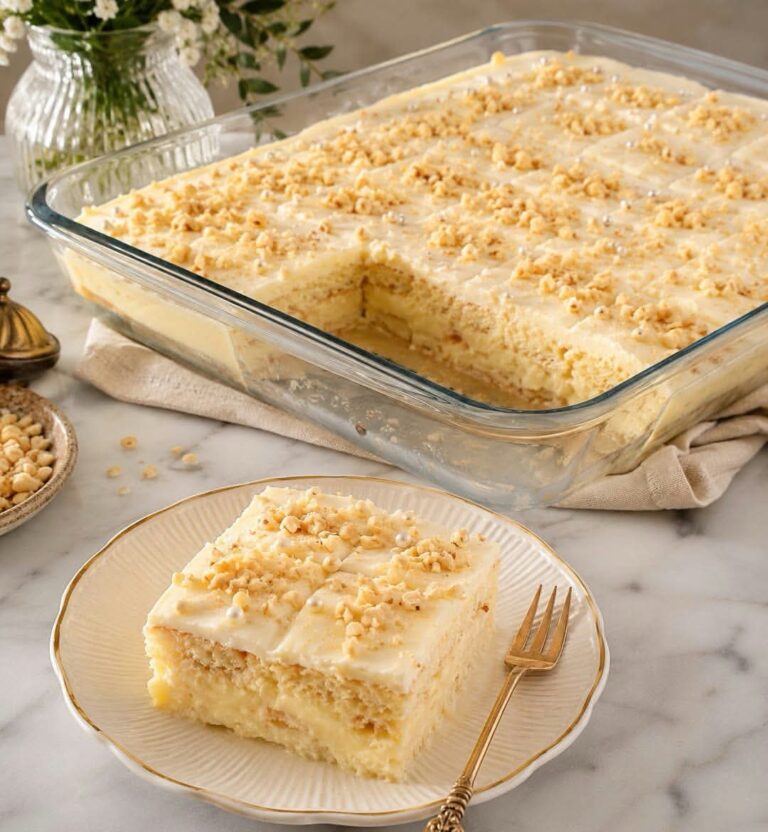
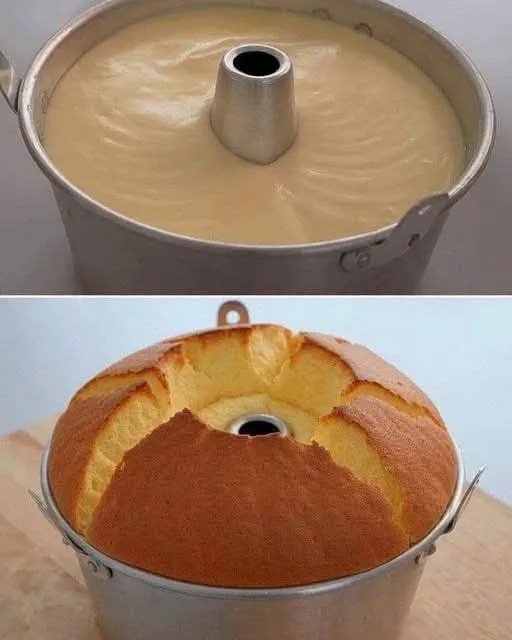
If you are looking for a cake that is exceptionally light, soft, airy, and beautifully tender, this Vanilla Chiffon Cake Recipe is one to keep in your baking collection. Unlike dense butter cakes, chiffon cake gets much of its signature height and delicate texture from whipped egg whites. The result is a tall, cloud-like cake with a fine crumb and a wonderful vanilla aroma.
This homemade vanilla chiffon cake is elegant enough for birthdays and celebrations but simple enough to enjoy with afternoon tea or coffee. It requires basic baking ingredients, but a few important techniques make all the difference. From whipping the egg whites properly to cooling the cake upside down, each step helps create that characteristic light and fluffy texture.
The finished cake can be served completely plain, dusted with powdered sugar, topped with whipped cream, decorated with fresh berries, or transformed into a beautiful celebration cake with your favorite frosting. Its mild vanilla flavor makes it an incredibly versatile base for countless desserts.
WHY YOU’LL LOVE THIS VANILLA CHIFFON CAKE
- Light and airy texture: Whipped egg whites give the cake its signature softness and height.
- Delicate vanilla flavor: Vanilla provides a classic flavor that pairs with almost any topping.
- Soft and tender crumb: The combination of oil and whipped eggs keeps the cake moist.
- Less heavy than butter cake: The texture feels light and delicate without being dry.
- Beautiful presentation: A tall chiffon cake looks impressive even without complicated decoration.
- Versatile: Serve it plain, with fruit, whipped cream, frosting, or powdered sugar.
- Perfect for celebrations: It makes an excellent birthday, holiday, tea-time, or afternoon dessert.
WHAT IS CHIFFON CAKE?
Chiffon cake is a type of foam cake known for its tall, light, and airy texture. Unlike traditional butter cakes, chiffon cake usually uses vegetable oil instead of solid butter. The batter also incorporates whipped egg whites, which create a delicate structure filled with tiny air bubbles.
The use of oil helps keep the cake soft even when refrigerated, while the whipped egg whites provide volume. The result is a cake that is both moist and incredibly light.
A properly baked chiffon cake should have a tender crumb that springs back gently when touched. It should be tall and airy without feeling dry or overly dense.
VANILLA CHIFFON CAKE RECIPE AT A GLANCE
- Prep Time: 25 minutes
- Cook Time: 45–55 minutes
- Cooling Time: 1–2 hours
- Total Time: About 2 hours 30 minutes
- Servings: 10–12
- Difficulty: Intermediate
- Oven Temperature: 325°F (165°C)
- Recommended Pan: 10-inch tube pan with removable bottom
INGREDIENTS
FOR THE CHIFFON CAKE
- 2 cups cake flour
- 1 1/2 cups granulated sugar, divided
- 2 teaspoons baking powder
- 1/2 teaspoon salt
- 7 large eggs, separated
- 1/2 cup neutral vegetable oil
- 3/4 cup whole milk
- 2 teaspoons pure vanilla extract
- 1/4 teaspoon cream of tartar
INGREDIENT NOTES
CAKE FLOUR
Cake flour has a lower protein content than all-purpose flour, which helps produce a softer and more delicate crumb. It is particularly useful for chiffon cakes because the goal is a light texture rather than a chewy one.
If cake flour is unavailable, you can make a substitute using all-purpose flour and cornstarch. Measure the required flour carefully because accurate measurements are especially important in delicate cakes.
EGGS
Eggs are essential to chiffon cake. The yolks provide richness and structure, while the whipped whites provide much of the cake’s volume.
For the best results, separate the eggs carefully. Even a small amount of yolk in the egg whites can make whipping more difficult.
VEGETABLE OIL
Neutral vegetable oil keeps the cake moist and tender. Canola oil, sunflower oil, or another mild-flavored oil can be used.
Avoid strongly flavored oils because they can overpower the delicate vanilla flavor.
VANILLA EXTRACT
Use good-quality vanilla extract for the best flavor. Pure vanilla extract provides a classic aroma, while vanilla bean paste can create an even more pronounced vanilla flavor.
CREAM OF TARTAR
Cream of tartar helps stabilize the whipped egg whites. It is especially useful when making chiffon cake because the meringue needs to hold its structure while being folded into the batter.
HOW TO MAKE VANILLA CHIFFON CAKE
STEP 1: PREPARE THE OVEN
Preheat the oven to 325°F (165°C).
Place the oven rack in the lower or middle position, depending on your oven and the height of your tube pan.
Do not grease the sides of the tube pan. Chiffon cake needs to cling to the pan as it rises and cools.
STEP 2: SEPARATE THE EGGS
Separate the seven eggs carefully, placing the yolks in one large bowl and the whites in a completely clean, dry mixing bowl.
Make sure the egg whites contain no traces of yolk.
For easier separation, separate each egg individually into a small bowl before adding the whites to your main mixing bowl. This prevents one broken yolk from contaminating the entire batch.
STEP 3: MIX THE DRY INGREDIENTS
In a large bowl, whisk together the cake flour, baking powder, salt, and approximately half of the granulated sugar.
Mixing the dry ingredients first helps distribute the baking powder and salt evenly throughout the flour.
STEP 4: PREPARE THE YOLK BATTER
Add the egg yolks, vegetable oil, milk, and vanilla extract to the dry ingredients.
Whisk gently until the mixture becomes smooth and there are no large pockets of dry flour.
Do not overmix once the batter is smooth.
STEP 5: WHIP THE EGG WHITES
Begin beating the egg whites on medium speed until they become foamy.
Add the cream of tartar.
Gradually add the remaining sugar while continuing to beat the egg whites.
Increase the mixer speed and continue beating until the whites reach medium-stiff peaks.
When you lift the whisk, the peak should hold its shape while the tip may curve slightly.
STEP 6: FOLD THE MERINGUE INTO THE BATTER
Add approximately one-third of the whipped egg whites to the yolk batter.
Gently fold using a large spatula.
Once incorporated, add another portion of the egg whites and fold gently.
Repeat with the remaining egg whites.
Use a cutting and folding motion rather than stirring vigorously. The goal is to preserve as much air as possible.
STEP 7: TRANSFER THE BATTER TO THE PAN
Pour the finished batter into an ungreased tube pan.
Gently run a spatula through the batter to remove any unusually large air pockets, but avoid excessive mixing.
Smooth the top lightly.
STEP 8: BAKE THE CAKE
Place the pan in the preheated oven.
Bake at 325°F (165°C) for approximately 45–55 minutes.
The exact baking time depends on your oven and pan. The cake should become golden on top and should spring back gently when lightly touched.
A wooden skewer or cake tester inserted into the center should come out clean or with a few moist crumbs.
STEP 9: COOL THE CAKE UPSIDE DOWN
This is one of the most important steps in making a successful chiffon cake.
Immediately after removing the cake from the oven, turn the pan upside down and allow it to cool completely.
If your tube pan has feet, rest it on those feet. If it does not, carefully position the pan so that air can circulate around the cake while it cools.
Allow the cake to cool for at least 1 hour, or until completely cool.
STEP 10: RELEASE THE CAKE
Once completely cool, gently run a thin knife or offset spatula around the edges of the cake.
Release the cake from the pan.
Run the knife around the center tube as well.
Transfer the cake to a serving plate.
WHY DO YOU COOL CHIFFON CAKE UPSIDE DOWN?
Chiffon cake is extremely light and contains a large amount of air. If it cools while sitting upright, its own weight can cause the delicate structure to collapse.
Cooling the cake upside down allows it to maintain its height while the internal structure sets.
This technique is one of the defining characteristics of successful chiffon cake baking.
THE SECRET TO A TALL AND FLUFFY CHIFFON CAKE
The most important factor is the egg-white meringue.
Whipped egg whites contain thousands of tiny air bubbles. When folded into the batter and baked, those bubbles expand and help the cake rise.
However, the meringue must be stable enough to hold its structure.
Follow these principles:
- Use a completely clean and dry bowl.
- Keep egg yolk away from the whites.
- Use room-temperature egg whites when possible.
- Add sugar gradually.
- Do not underwhip the meringue.
- Do not overwhip the egg whites until they become dry and crumbly.
- Fold gently.
- Do not grease the sides of the tube pan.
- Cool the cake upside down.
HOW TO TELL WHEN THE MERINGUE IS READY
The egg whites should be glossy and smooth.
When you lift the whisk, the peak should remain standing with only a slight bend at the tip.
If the egg whites look dry, chunky, or curdled, they have likely been overwhipped.
If the peaks immediately disappear, they need more whipping.
WHY YOU SHOULD NOT GREASE THE PAN
Traditional chiffon cake is baked in an ungreased tube pan because the batter needs to climb the sides as it rises.
Greasing the pan can make it harder for the batter to grip the sides, potentially reducing the cake’s height.
It can also make the cake more likely to slide downward during cooling.
BEST PAN FOR VANILLA CHIFFON CAKE
A tube pan with a removable bottom is ideal.
The central tube provides additional support and allows heat to reach the center of the tall cake.
Use the pan size recommended for the amount of batter. Filling the pan excessively can cause the batter to overflow as it rises.
CAN I USE A BUNDT PAN?
A Bundt pan is generally not the best choice for chiffon cake.
Traditional chiffon cake is designed for a tube pan that allows the batter to climb and cool properly.
Bundt pans are also usually greased, while chiffon cake benefits from an ungreased surface.
CAN I USE A REGULAR CAKE PAN?
You can adapt the recipe to another pan, but the baking time and texture may change.
For the classic tall chiffon cake texture, a tube pan remains the preferred option.
COMMON CHIFFON CAKE MISTAKES
THE CAKE COLLAPSED AFTER BAKING
A collapsing chiffon cake can have several causes.
- The cake was underbaked.
- The egg whites were not whipped correctly.
- The batter was overmixed.
- The pan was greased.
- The cake was not cooled upside down.
- The oven temperature was inaccurate.
Make sure the cake is fully baked and cool it upside down immediately after removing it from the oven.
THE CAKE IS DENSE
A dense chiffon cake usually means too much air was lost during mixing or the egg whites were not whipped sufficiently.
Fold the meringue gently and avoid stirring the batter once the whites have been incorporated.
THE CAKE IS DRY
Overbaking is a common reason for dry chiffon cake.
Begin checking the cake toward the end of the suggested baking time.
Remember that ovens vary, so visual and texture cues are important.
THE CAKE HAS LARGE HOLES
Large tunnels can result from air pockets that were not properly distributed through the batter.
After pouring the batter into the pan, gently run a thin spatula through the batter to remove unusually large pockets.
Do not aggressively bang the pan because excessive impact can reduce the cake’s volume.
THE CAKE STICKS TO THE PAN
Some sticking is normal with chiffon cake because the pan is intentionally left ungreased.
A thin knife or offset spatula can be used to carefully release the cake from the sides and center tube once it has cooled.
HOW TO GET A STRONG VANILLA FLAVOR
Vanilla chiffon cake has a delicate flavor, so high-quality vanilla can make a noticeable difference.
You can use pure vanilla extract, vanilla bean paste, or the seeds from a vanilla bean.
For an especially fragrant cake, add a small amount of finely grated vanilla bean or use vanilla bean paste.
VANILLA BEAN CHIFFON CAKE
For a more luxurious variation, replace the vanilla extract with vanilla bean paste and add the seeds from one vanilla bean.
The tiny vanilla seeds create a beautiful appearance throughout the cake while giving it a deeper vanilla aroma.
LEMON VANILLA CHIFFON CAKE
Add finely grated lemon zest to the yolk batter for a bright citrus variation.
The lemon complements vanilla beautifully without changing the delicate texture.
ORANGE VANILLA CHIFFON CAKE
Replace part of the milk with fresh orange juice and add finely grated orange zest.
This creates a fragrant citrus-vanilla cake that is especially delicious with whipped cream.
COCONUT VANILLA CHIFFON CAKE
Replace some of the milk with coconut milk and add a small amount of shredded coconut.
Serve with whipped cream and toasted coconut for a tropical dessert.
STRAWBERRY VANILLA CHIFFON CAKE
Slice the cooled chiffon cake horizontally into layers and fill it with whipped cream and fresh strawberries.
The airy vanilla cake makes an excellent base for a fresh strawberry layer cake.
CHOCOLATE VANILLA CHIFFON CAKE
Create a marble-style cake by dividing the batter and adding unsweetened cocoa powder to one portion.
Gently swirl the two batters together before baking.
HOW TO SERVE VANILLA CHIFFON CAKE
This cake is delicious on its own, but there are many ways to serve it.
- Dust with powdered sugar.
- Serve with fresh strawberries.
- Add lightly sweetened whipped cream.
- Drizzle with vanilla glaze.
- Serve with fresh berries.
- Add lemon curd.
- Serve with fruit compote.
- Top with chocolate sauce.
- Use it as a base for a layered celebration cake.
VANILLA CHIFFON CAKE WITH WHIPPED CREAM
One of the simplest ways to transform this cake into an elegant dessert is to serve it with freshly whipped cream.
Slice the cake into wedges and add a spoonful of whipped cream and fresh berries to each serving.
This simple presentation highlights the delicate vanilla flavor without overwhelming the cake.
HOW TO TURN IT INTO A BIRTHDAY CAKE
Once completely cooled, the chiffon cake can be sliced horizontally into two or three layers.
Fill the layers with whipped cream, pastry cream, fruit, or your favorite frosting.
Because chiffon cake is light, it works particularly well with creamy fillings and fresh fruit.
STORAGE INSTRUCTIONS
Store the cooled vanilla chiffon cake in an airtight container or cover it tightly with plastic wrap.
Keep it at room temperature for approximately 2 days if it has no perishable filling or frosting.
If the cake is filled or topped with whipped cream, custard, cream cheese, or fresh fruit, refrigerate it.
CAN VANILLA CHIFFON CAKE BE REFRIGERATED?
Yes, but refrigeration can make an unfrosted cake slightly firmer because the oil and moisture behave differently at cold temperatures.
Allow the cake to sit at room temperature briefly before serving if it has been refrigerated and does not contain perishable fillings.
FREEZING INSTRUCTIONS
Vanilla chiffon cake can be frozen successfully when wrapped properly.
Allow the cake to cool completely before freezing.
Wrap individual slices or the whole unfrosted cake tightly in plastic wrap, followed by a layer of aluminum foil or a freezer-safe container.
Freeze for up to approximately 2–3 months for the best quality.
Thaw at room temperature while still wrapped to reduce condensation on the cake surface.
CAN I FREEZE A DECORATED CHIFFON CAKE?
It depends on the filling and frosting.
Plain chiffon cake freezes particularly well. Some frostings and fresh fruit fillings may change texture after freezing and thawing.
For the best results, freeze the cake without delicate fresh fruit decorations and add those after thawing.
INGREDIENT SUBSTITUTIONS
CAKE FLOUR SUBSTITUTE
If cake flour is unavailable, use a homemade cake flour substitute by replacing a portion of the all-purpose flour with cornstarch.
Sift the mixture thoroughly to distribute the cornstarch evenly.
MILK SUBSTITUTE
You can use low-fat milk or another mild dairy milk if whole milk is unavailable.
Plant-based milk can also work if it has a neutral flavor.
OIL SUBSTITUTE
Use another neutral oil such as canola or sunflower oil.
Avoid strongly flavored oils that could affect the vanilla flavor.
VANILLA SUBSTITUTE
Vanilla bean paste can replace vanilla extract at approximately the same amount.
HOW TO MEASURE FLOUR CORRECTLY
Flour measurement can significantly affect chiffon cake because too much flour can make the batter heavy.
If measuring by volume, spoon the flour lightly into the measuring cup and level the top with a straight edge rather than scooping directly from the flour container.
For the most consistent results, use a kitchen scale when possible.
WHY ROOM-TEMPERATURE EGGS HELP
Room-temperature egg whites generally whip more easily and reach greater volume than very cold whites.
If your eggs are refrigerated, place the separated egg whites in a clean bowl and allow them to sit at room temperature for a short period before whipping.
Do not leave eggs at room temperature for unnecessarily long periods.
HOW TO CUT CHIFFON CAKE WITHOUT CRUSHING IT
Use a long, sharp serrated knife.
Instead of pressing down heavily, use gentle sawing motions.
Allow the knife to do most of the work so the delicate crumb remains intact.
HOW TO MAKE PERFECT CHIFFON CAKE EVERY TIME
- Measure ingredients accurately.
- Separate the eggs carefully.
- Use a clean bowl for the egg whites.
- Whip the meringue to medium-stiff peaks.
- Fold the whites gently.
- Use an ungreased tube pan.
- Bake until the center is fully set.
- Do not open the oven unnecessarily during baking.
- Cool the cake upside down immediately.
- Release the cake carefully after it is completely cool.
FREQUENTLY ASKED QUESTIONS
What makes chiffon cake so fluffy?
Whipped egg whites provide much of the cake’s volume. The air trapped in the meringue expands during baking, creating the characteristic light and airy texture.
Why is chiffon cake different from sponge cake?
Both cakes rely on eggs for structure, but chiffon cake typically contains oil and liquid ingredients, which create a particularly moist and tender crumb.
Can I use all-purpose flour?
Yes. Cake flour is preferred for a delicate crumb, but all-purpose flour can be used with an appropriate cake flour substitute technique.
Why does my chiffon cake shrink?
Some slight shrinkage is normal, but significant collapse can result from underbaking, weak meringue, overmixing, excessive moisture, or incorrect cooling.
Should I grease a chiffon cake pan?
No. A traditional chiffon cake should be baked in an ungreased tube pan so the batter can cling to the sides and rise properly.
Why do I need to cool chiffon cake upside down?
The cake is very light and delicate. Cooling it upside down helps prevent gravity from compressing the cake while its structure sets.
Can I make this cake without cream of tartar?
Yes, although cream of tartar helps stabilize the egg whites. The cake can still work without it if the egg whites are whipped carefully.
Can I use a hand mixer?
Yes. A hand mixer works well for whipping the egg whites, although it may take slightly longer than a stand mixer.
How do I know when chiffon cake is done?
The top should be golden, the cake should spring back gently when touched, and a cake tester inserted into the center should come out clean or with a few moist crumbs.
Can I make chiffon cake in advance?
Yes. An unfrosted chiffon cake can be prepared a day in advance and stored tightly covered.
What frosting goes well with vanilla chiffon cake?
Whipped cream, cream cheese frosting, vanilla buttercream, mascarpone cream, lemon curd, and fresh fruit all pair beautifully with vanilla chiffon cake.
Can I add fruit directly to the batter?
Fresh fruit can add excess moisture and weight, which may affect the delicate structure. For the most reliable result, serve fruit with the finished cake rather than adding large amounts to the batter.
Can I make this recipe into cupcakes?
Chiffon batter can be adapted to smaller portions, but the baking time and pan preparation need to be adjusted. The classic tube pan provides the structure that makes traditional chiffon cake distinctive.
SERVING IDEAS FOR SPECIAL OCCASIONS
For an elegant celebration dessert, place the cooled cake on a cake stand and dust the top lightly with powdered sugar.
Add whipped cream around the center and decorate with fresh strawberries, raspberries, blueberries, or edible flowers.
For birthdays, slice the cake into layers and fill it with vanilla cream and fresh fruit.
For afternoon tea, serve simple wedges with coffee or tea.
HOW TO MAKE A SIMPLE VANILLA GLAZE
A simple vanilla glaze can add sweetness without making the cake feel heavy.
Combine powdered sugar with a small amount of milk and vanilla extract until smooth.
Drizzle the glaze over the completely cooled cake.
Allow the glaze to set briefly before slicing.
HOW TO MAKE A LEMON GLAZE
For a fresh citrus finish, mix powdered sugar with fresh lemon juice and a little lemon zest.
Drizzle it lightly over the vanilla chiffon cake.
The bright lemon flavor contrasts beautifully with the soft vanilla cake.
WHY OIL IS USED IN CHIFFON CAKE
Oil remains liquid at room temperature, which helps chiffon cake maintain a soft texture even after cooling.
Butter can provide wonderful flavor, but it solidifies as it cools. Oil therefore contributes to the characteristic tender texture associated with chiffon cake.
HOW TO MAKE THE CAKE EXTRA TALL
Height depends on several factors, including the pan, egg-white volume, batter proportions, and oven performance.
Use the correct tube pan, avoid greasing it, whip the egg whites properly, and fold them carefully into the batter.
Most importantly, do not fill the pan beyond its recommended capacity.
THE PERFECT TEXTURE
A successful vanilla chiffon cake should be soft enough to compress slightly when touched and spring back gently.
The crumb should be fine but airy, without large dense sections.
It should feel lighter than a traditional butter cake while still having enough structure to hold a slice.
FINAL THOUGHTS
This Vanilla Chiffon Cake Recipe is a wonderful example of how simple ingredients can create an exceptionally delicate dessert when the technique is handled carefully. The combination of a light egg-based structure, neutral oil, milk, and fragrant vanilla produces a cake that is soft, moist, tall, and wonderfully airy.
The most important details are not complicated ingredients but careful preparation. Separate the eggs properly, whip the whites to the right stage, fold gently, bake in an ungreased tube pan, and cool the cake upside down.
Once you master those techniques, you can use this vanilla chiffon cake as a foundation for countless desserts. Add whipped cream and berries for a fresh summer cake, layer it with pastry cream for a celebration dessert, or simply dust it with powdered sugar for an elegant afternoon treat.
Whether you are an experienced baker or trying chiffon cake for the first time, this recipe is a beautiful addition to any baking collection. Its soft texture, delicate vanilla flavor, and impressive height make it a dessert that looks special while remaining wonderfully versatile.